Published
•
The Nefarious Reason Cars Do Not Have Buttons Anymore
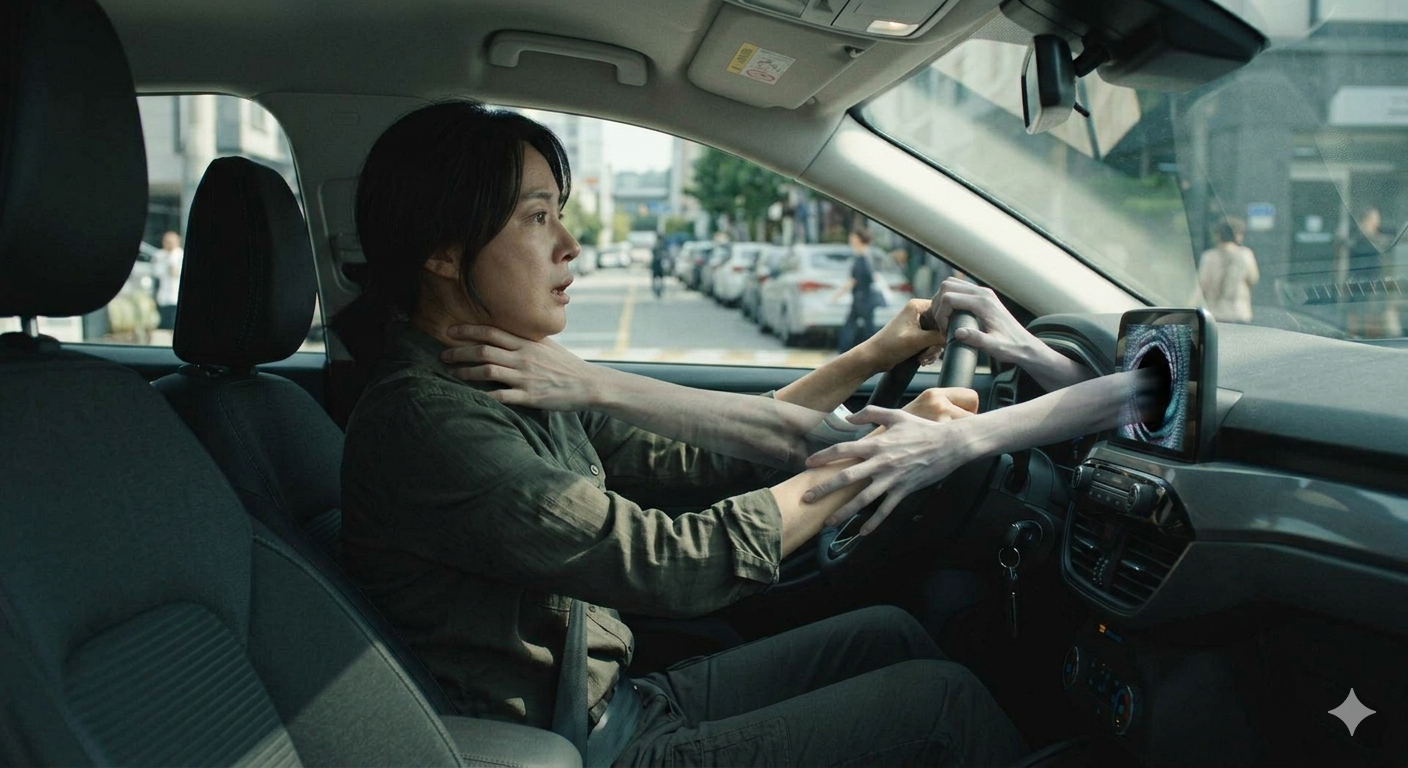
It's hard not to be impressed by modern car dashboards. Automakers have largely replaced analog gauges with vibrant color displays that show far more than just speed, RPM, fuel level, and temperature.
From there, the humble radio evolved into full-blown infotainment systems — capable of playing music, streaming video, and even running games. Keeping pace with the broader tech industry, these systems have since transformed into something closer to an embedded tablet, merging entertainment, navigation, and vehicle controls into a single interface.
The idea of one central hub for everything sounds convenient, and in some ways it is. BMW's iDrive, which debuted in 2001, was an early pioneer of this concept. Today, however, that consolidation increasingly serves the manufacturer's interests as much as the driver's. Removing physical buttons gets rebranded as minimalism and convenience — but it also means there's less you can control independently.
The next logical step is mandatory logins. While still optional on most vehicles, it's easy to see where this is heading: a future where skipping the sign-in means losing access to climate control, screen mirroring, or other features. For automakers, a logged-in driver is a data goldmine — one they can monetize by selling to data brokers, insurers, and potentially government agencies.
Then there's the software lifecycle problem. Like Microsoft or Apple, automakers will eventually end support for the software tied to a car's systems. When that happens, drivers could face blank screens — or worse, vehicles that won't function properly because the underlying software has been deprecated. The obvious "solution" will be to pay up. Microsoft's Extended Security Updates (ESU) program, which extended Windows 10 support for a fee after its end-of-life, offers a clear preview of how this might play out in the automotive world — expect similar programs from car manufacturers within the next five to eight years.
What was sold as convenience is quietly becoming a subscription. Worth keeping in mind the next time a glossy touchscreen wows you at a dealership.